thinking about it?
If you want to become a full-time sports videographer, this guide will save you years of trial and error.
After nine years in the sports videography industry and now working exclusively with NBA guard Dillon Brooks, I have learned what actually builds a sustainable career and what most beginner videographers waste time on.
In this article, I break down the exact six-step process I used to turn sports videography into a full-time career, not just a side hustle.
Step 1: Become Valuable Before You Start Charging
One of the biggest mistakes beginner sports videographers make is charging too early.
Before anyone pays you:
Your work has to be good
Your edits need to feel intentional
Your footage needs to tell a story
If the quality doesn’t justify the price, clients won’t take you seriously—no matter how confident you sound.
How to Improve Your Skills Faster
Learn from YouTube (I’m fully self-taught)
Shoot friends, local athletes, and pickup runs
Do free projects when they:
Improve your portfolio
Expand your network
Align with passion
Even 9 years in, I still take on select free projects when the upside makes sense.
Pro Tip Most People Miss
Cold-DM other videographers whose work you admire.
Compliment them. Ask a real question. Build relationships.
Your skills are your foundation, and great content is your currency—but that’s only half the equation.
Being personable matters just as much.
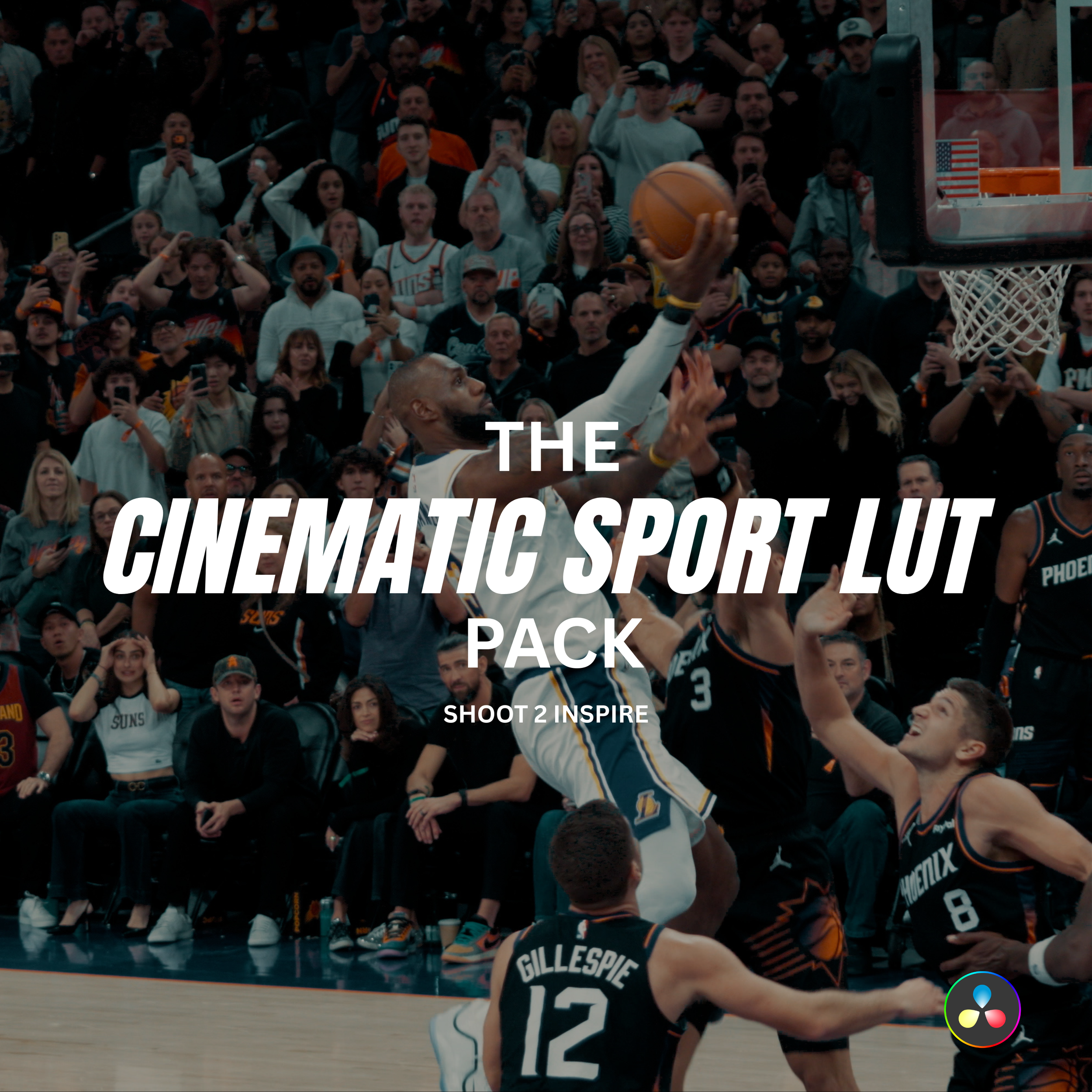
🎨 NBA-Level Cinematic Sports LUT Pack (prices are in CAD)
These LUTs are built from real-world shoots with elite-level athletes, refined under the same lighting conditions, timelines, and expectations used in professional sports media.
Every look in this pack is based on actual NBA player content. Fast turnarounds, mixed lighting, accurate skin tones, and broadcast-ready contrast. No guessing and no over-stylized internet looks. Just clean, powerful color built for high-performance sports visuals.
What Makes This Different
Developed from real NBA-access shoots, not test footage
Optimized for modern sports cameras and log profiles
Designed to preserve natural skin tones under harsh arena and gym lighting
Built for speed so you can drop in, fine-tune, and deliver
The same color foundations I use when shooting at the highest level
Who This Is For
Sports videographers and photographers
Creators working with athletes, brands, or agencies
Anyone who wants ESPN, Netflix and Nike-level color without hours of trial and error
Who It’s Not For
Beginners looking for trendy filters
Creators who do not care about accurate skin tones or professional consistency
The Valley – Warm, bold Phoenix energy. Brings life back into skin tones, jerseys, and hardwood.
The Joker – Clean cool tones with cinematic contrast. Great for bright arenas and detailed game action.
Cold Wave – Crisp blues and punchy highlights for a modern, high-energy sports look.Starting
Starting Five – A balanced everyday grade. Natural, smooth, and reliable in any gym or arena.
What to expect:
✅ Fast, pro-quality color in seconds
✅ Works for basketball, football, soccer, and more
✅ The exact colour styles I use in my own work
Note: These LUTs were created and tested primarily on Sony S-Log3 footage. They still work on other picture profiles and cameras — you may just need light exposure or contrast adjustments depending on your setup.
No Refund Policy: Because this is a digital product delivered instantly, all sales are final and no refunds will be issued. Price is in CAD
🎒 Instant download. Level up your sports footage with cinematic colour today.
Step 2: Put Yourself Online (Visibility > Talent)
You don’t need a massive following.
You need consistent visibility.
Social media is oversaturated, which means if you’re not posting, people forget you exist even if you’re talented.
What to Post as a Sports Videographer
Short clips (not just finished edits)
Behind-the-scenes footage
Process breakdowns
Stories showing your personality
People hire people not just portfolios.
Instagram is my main platform. About 95% of my work comes from IG, with the rest coming from LinkedIn.
Collaboration Is a Cheat Code
When you collaborate on posts:
Their audience sees your work
Your name gets attached to credibility
Discovery compounds
You don’t need clout.
You need exposure in the right rooms.
Step 3: Work With Local Teams (Higher ROI Than Individuals)
If you want paid sports videography work, start local.
Teams and organizations usually have:
Bigger budgets
Ongoing needs
Repeat work opportunities
Target:
High schools
Prep schools
AAU teams
Summer pro runs
How to Multiply Income at Tournaments
If you’re already shooting one team:
Film other teams
Pitch individual highlight reels
Reach out to players directly
Word spreads fast in sports.
Good work + good energy = inbound opportunities.
Step 4: Build a Real Network (Not Competition)
Sports videography is a community, not a cage match.
Connecting with other creatives:
Keeps you inspired
Levels up your taste
Opens doors faster than solo grinding
I’ve learned more from peers than any course.
Stay active. Ask questions. Be humble. Share game.
This is why I started a free Skool community for sports videographers—a place to:
Share work
Get feedback
Network with like-minded creators
Step 5: Don’t Fall for the Gear Trap
There’s always a new camera.
Gear hype is endless—but it’s mostly a distraction.
I currently shoot on a Sony FX30, and it’s the best camera I’ve used in 9 years.
Smart Gear Rules for Sports Videographers
Invest in glass before bodies
Keep your setup minimal
Master what you already own
Upgrade only when your income justifies it
Expensive gear doesn’t make you better.
Mastery does.
Low-key setups also help you blend in at games and avoid unnecessary attention.
Step 6: Choose the Career Path That Fits Your Life
At a certain level, sports videography isn’t just about content it’s about lifestyle.
Decide early:
Freelancer?
Agency?
Team/organization?
Each path comes with different levels of:
Stability
Freedom
Predictability
If you want consistency, a team role might make sense.
If you want flexibility, freelancing can work—but it’s chaotic.
There’s no “best” option—only what fits your season of life.
Final Advice for Aspiring Sports Videographers
If you want to make this your full-time career:
Commit to learning
Stay consistent online
Network intentionally
Be personable (this is underrated)
Keep shooting—even when it’s quiet
You can make a living doing this.
Most people quit before momentum compounds.
🎥 Watch the full breakdown and behind-the-scenes insights here:
